



Remi Oseni and the Rise of People-Centred Progressivism in Oyo Politics || Timilehin Kolade
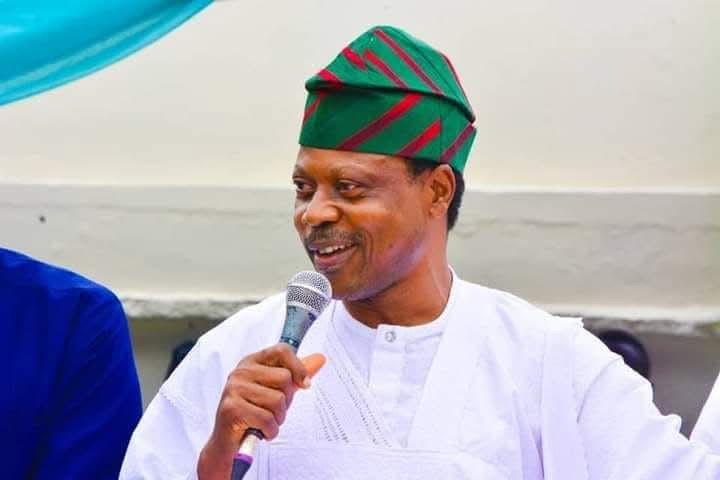
In contemporary Nigerian politics, where representation is often reduced to elite deals and campaign promises, Hon. Engr. Remi Oseni represents a different strand of leadership. He seeks to re-anchor governance on service, visibility, and measurable impact. His political identity – shaped by engineering and refined by grassroots engagement – reflects a shift toward people-centred progressivism, where outcomes, not rhetoric, define legitimacy.
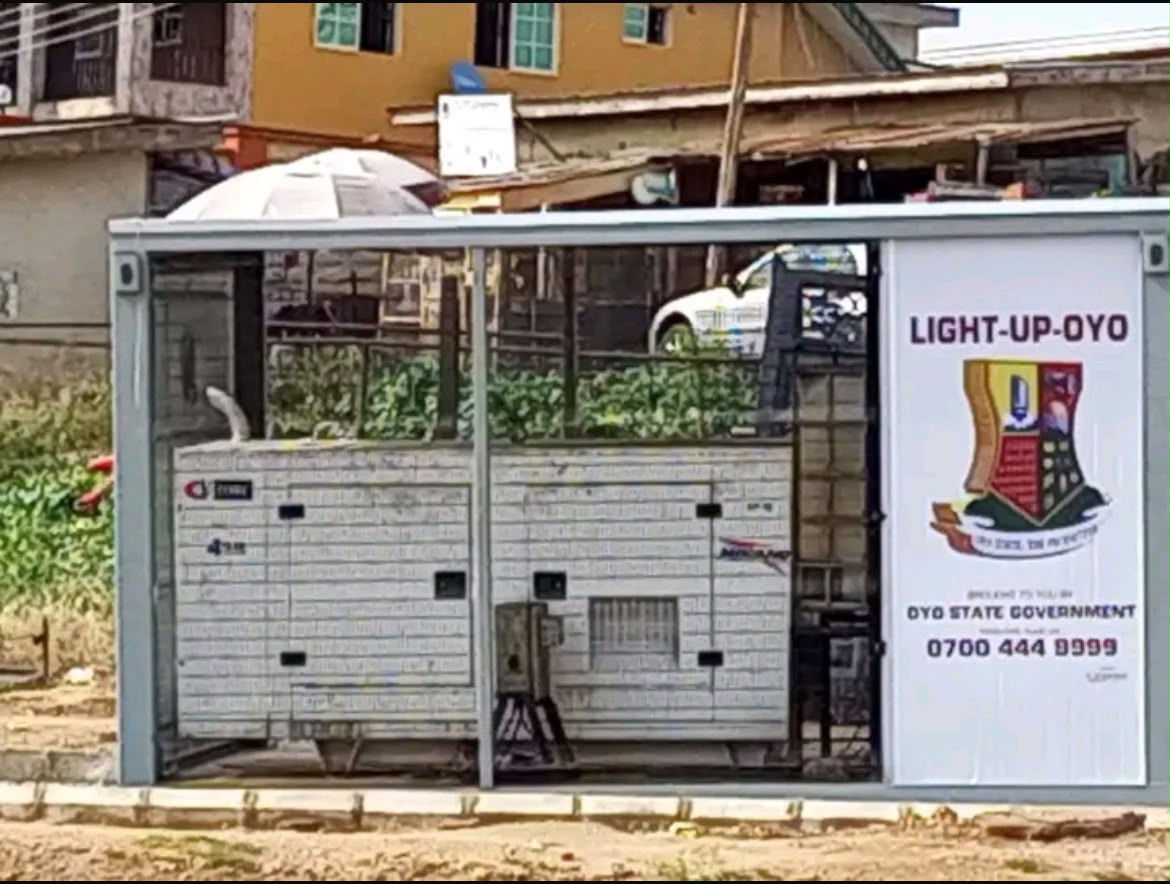
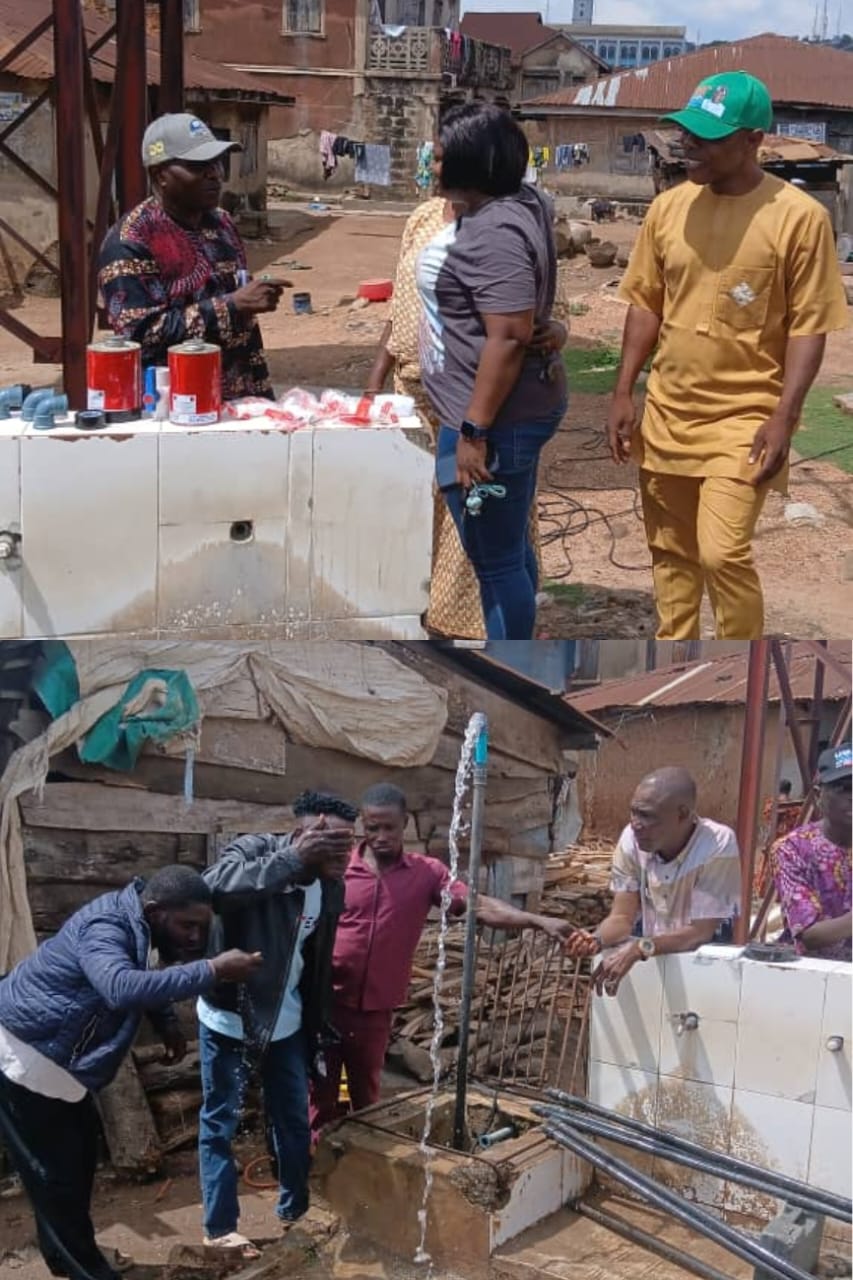
Oseni’s politics is marked by structured constituency development and benevolent engagement. His interventions in infrastructure, human capital, and community empowerment show a deliberate effort to turn office into practical social improvement. From classroom blocks and borehole projects to skills acquisition programs for youths and widows, the pattern is consistent: representation treated as continuous responsibility, not periodic electioneering. Constituents routinely cite his accessibility and responsiveness as evidence that political office can function as a service desk, not a distant podium.
In Oyo State, progressivism has long been tied to ideology and party identity, rooted in the Awolowo school of thought. Oseni reinterprets it as delivery-oriented governance. Through constituency platforms, town hall meetings, and targeted community-focused initiatives, he extends representation beyond legislative chambers into sustained grassroots work. The result is a model where policy meets people directly, and feedback loops are shorter. This approach reduces the gap between Abuja and Ibarapa, between Ibadan and Ido, by making governance visible at the ward level.
This places him among Nigerian politicians who prioritize developmental visibility. Political relevance is now measured by tangible impact in education, infrastructure, and welfare – not by symbolism or party slogans. In an era where citizens demand receipts, Oseni’s emphasis on completed projects, functional facilities, and empowered beneficiaries responds to a new political expectation: prove it.
Oseni’s style echoes a wider tradition of developmental leadership. In Nigeria, Awolowo’s legacy of free education, healthcare, and infrastructure in the old Western Region remains the benchmark for social investment. More recently, Borno’s Babagana Zulum has raised the bar: public office must deliver social welfare and humanitarian response in real time, even under crisis. Both examples reinforce Oseni’s operating premise that governance is judged by the condition of the governed.
Across Africa, Rwanda’s Paul Kagame is cited for efficiency, infrastructure expansion, and institutional discipline. In Asia, Singapore’s Lee Kuan Yew remains the reference for technocratic, results-based leadership that transformed a resource-poor city-state into a global hub. In Europe, Angela Merkel embodied pragmatic governance: stability, discipline, policy over theatrics. These parallels show a global shift toward performance legitimacy. Citizens across continents are increasingly intolerant of leaders who cannot point to what has changed in their daily lives.
A defining feature of Oseni’s approach is how he integrates benevolence into governance. Welfare is not symbolic charity or seasonal handouts. His interventions connect political authority directly to community well-being through structured schemes: scholarships with follow-up, healthcare outreaches tied to data, and empowerment tools linked to cooperatives. He is part of a new generation that treats social support as core governance responsibility, not a side activity staged for cameras.
Ultimately, Hon. Engr. Remi Oseni’s trajectory reflects a broader evolution in Nigerian political culture: from rhetoric-driven leadership to impact-driven representation. His approach redefines progressivism in Oyo as practical, people-centred, and development-focused. It challenges the old assumption that ideological purity can substitute for delivery.
If sustained, this model can rebuild trust between citizens and institutions by making governance more visible, accountable, and socially grounded. For a state with Oyo’s political sophistication, that shift matters. It means elections may soon be won not by who shouts loudest, but by who delivers most. And in that contest, engineers of progress will always have an edge over merchants of promises.
https://shorturl.fm/7i6YD
Mình dùng moviebox pro apk được một thời gian rồi và thấy trải nghiệm khá ổn định. TONY09-03