


ATIKU’S SUBSIDY PLEDGE AGAINST TINUBU’S REFORMS AND THE SPECTRE OF REVERSAL |By Aderogba Adebayo Taofik, mni
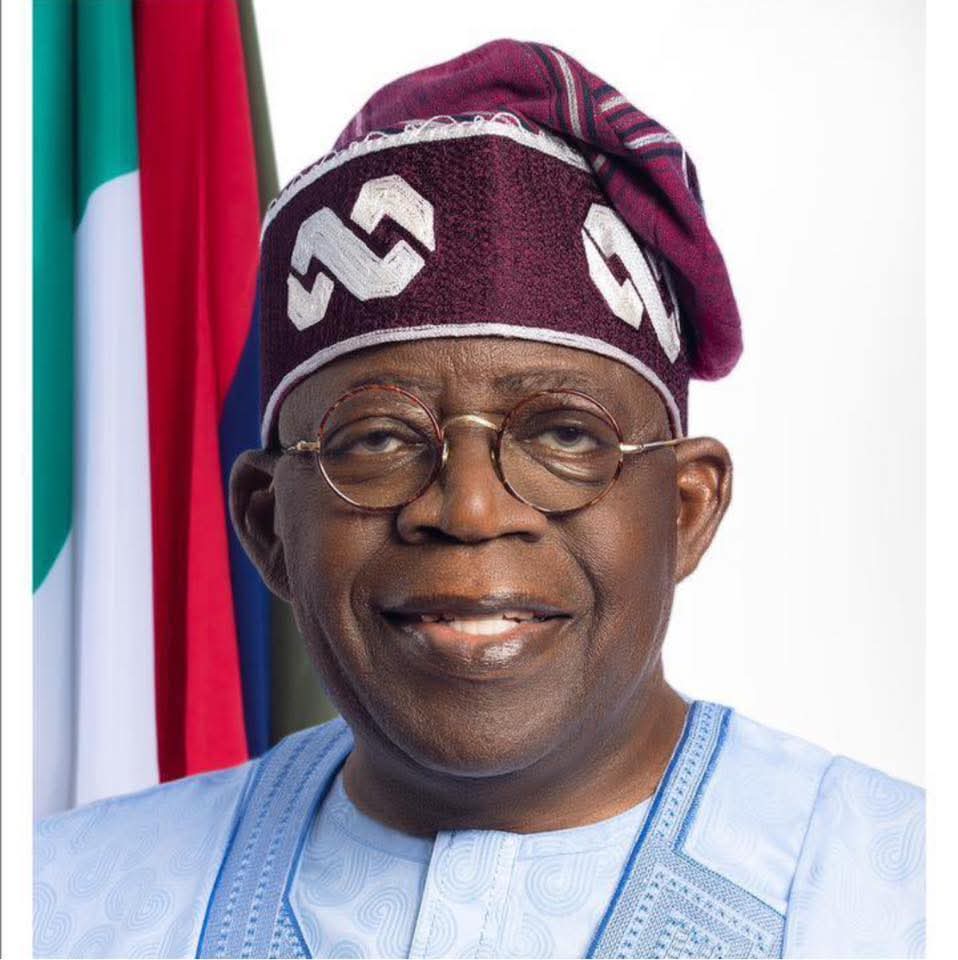
The pledge by former Vice President Atiku Abubakar to “return fuel subsidy if elected in 2027” represents a direct challenge to the subsidy removal and market deregulation executed by the Tinubu administration from May 2023.
Politics, at its most elemental, is the contest of competing futures. When a former Vice President and perennial presidential contender declares, on the eve of another electoral cycle, an intention to “return fuel subsidy if elected in 2027,” the statement cannot be read merely as policy. It is theatre, it is economics, and it is biography — the distilled metaphor of a man perceived to seek power by every available instrument.
To appraise the pledge demands that we place it against the present architecture of reform under President Bola Ahmed Tinubu, GCFR, and then weigh what a reversal would portend for Nigeria’s fragile fiscal and social compact.
The Tinubu Reforms: A Rupture with the Past
On May 29, 2023, President Tinubu announced the removal of fuel subsidy. It was less a speech than a detonation. For decades, subsidy had functioned as Nigeria’s most expensive palliative and its most corrosive fraud. It consumed over ₦4 trillion annually, distorted markets, incentivized smuggling, and starved critical sectors of capital.
The Tinubu administration framed removal not as cruelty but as triage. The logic was surgical:
- Fiscal Salvation: Funds once sunk into consumption are now being redirected to infrastructure, student loans, wage awards, and state transfers. FAAC allocations to states have tripled, enabling road and health projects.
- Market Rationalization: A unified exchange rate and deregulated PMS pricing were meant to end arbitrage, round-tripping, and the cabal that thrived on opacity.
- Investment Signal: By removing distortions, government sought to tell investors that Nigeria was willing to make hard choices.
The cost was immediate and brutal: inflation, transport hikes, and a collapse in purchasing power. The government’s wager is intertemporal — short-term pain for long-term solvency. Whether that wager pays depends on execution: transparency, targeted social protection, and productivity gains.
The Atiku Pledge: Politics as Nostalgia
To promise a return to subsidy in 2027 is to propose a return to 2022. It is a politics of nostalgia, and it carries three readings:
First, the electoral reading. Subsidy is the most instinctive issue in Nigerian households. Transport, food, and electricity all orbit around the price of petrol. To promise its return is to speak directly to hunger. It is populism in its purest form but it is a pledge that requires no white paper, only empathy.
Second, the ideological reading. The pledge implies a rejection of Tinubu’s shock therapy. It argues that the state’s duty is to cushion, not to compel. It resurrects the old social contract: cheap fuel in exchange for political legitimacy.
Third, the metaphorical reading. It is the desperation of a man who has contested five times and sees the window closing. To promise what was removed, and what nearly bankrupted the treasury, is to promise what is politically sweet but fiscally lethal. It is to choose applause over arithmetic.
Implications: What a Reversal Would Mean
Were a future administration to reinstate subsidy, the consequences would be structural, not symbolic.
1. Fiscal Recession
Subsidy at 2022 volumes would consume 30-40% of federal revenue again. The gains in state allocations, capital projects, and debt servicing headroom would evaporate. Nigeria would return to borrowing to consume, not to produce.
2. Market Distortion Returns
Deregulation would be undone. The incentive for smuggling to neighboring countries would return. Private investment in refineries and CNG infrastructure, now tentative, would stall. We would again subsidize consumption in Benin, Niger, and Cameroon.
3. The Credibility Problem
Investors and multilateral institutions watched Nigeria’s subsidy removal as a test of seriousness. A reversal would signal policy instability. Capital is allergic to reversals. The naira, already fragile, would pay the price.
4. The Social Question
Yet to dismiss the pledge as mere opportunism is to ignore its moral core. Reforms without relief become repression. If, by 2027, the promised dividends of reform — cheaper food, functioning refineries, CNG buses, living wages — have not materialized, then the people will not care about fiscal orthodoxy. They will care about survival. Atiku’s pledge, however flawed, captures that anger.
The Deeper Dilemma
Nigeria’s tragedy is that both positions contain truth and both contain danger.
Tinubu’s reforms are economically necessary but politically lonely. They assume a state capacity to deliver relief that has historically been weak.
Atiku’s promise is politically potent but economically regressive. It offers relief without a plan to pay for it.
The real question for 2027 is not “subsidy or no subsidy.” It is: Can any leader make Nigerians feel the benefit of sacrifice before the sacrifice consumes them?
If the answer is no, then subsidy will return — not because it is wise, but because democracy punishes pain without purpose.
Conclusion
Atiku’s pledge is therefore more than a policy proposal. It is a mirror. It reflects a country caught between the hard logic of reform and the hard reality of poverty.
To govern Nigeria after 2023 will require neither the amnesia of subsidy nor the austerity of reform alone. It will require a third path: targeted protection, industrial policy, and radical transparency — a politics that is both compassionate and solvent.
Until then, promises to return subsidy will resonate, not because Nigerians love waste, but because they fear abandonment. And in that fear lies the true test of statecraft.
The 2027 government, whoever it is, must not choose between the people and the books. It must do both. Maintain deregulation to keep the treasury alive, and simultaneously build the safety nets that make the reform humane.
Nigeria cannot afford to subsidize fuel and subsidize poverty at the same time. The future demands a government brave enough to explain trade-offs, and competent enough to deliver results.
“A nation that chooses comfort over correction will eventually have neither.”
About the Author: Comrade Adebayo Taofik Aderogba, mni, is a unionist in the food, beverage, and tobacco industry, with professional expertise in logistics and supply chains. He is also a policy research and public affairs analyst, an advocate for good governance, and a chieftain of the Oyo APC. He writes from Ward 12, Ibadan North Federal Constituency, Oyo State, Nigeria.